

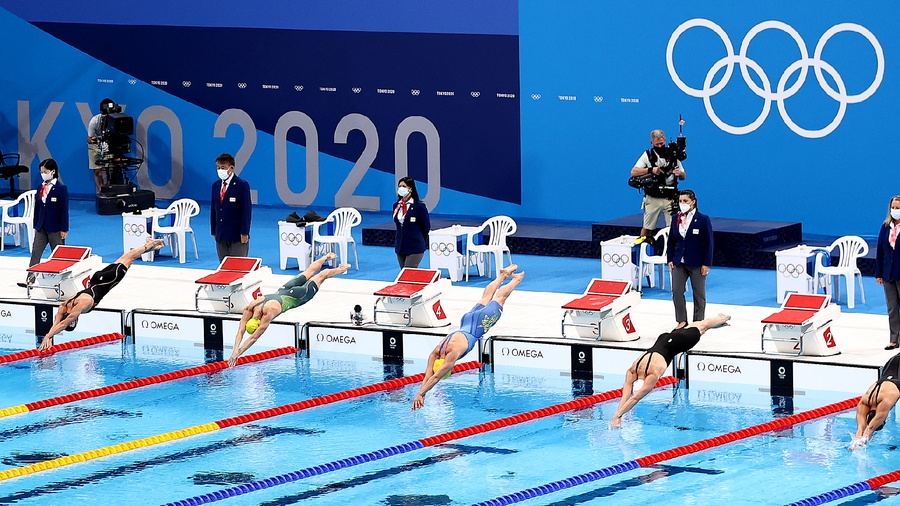
Tokyo, Japan, July 28, 2026: Five years after the Games of the XXXII Olympiad, the legacy of Tokyo 2020 can be seen across the Japanese capital – in venues in daily use, in the former Olympic Village now home to a growing residential community and in the major sporting events the city continues to host, the IOC reports.
The anniversary is being marked this week with illuminations across Tokyo from July 23-29 and comes as the city prepares to welcome the opening stop of the Olympic Q-Series on the road to LA28.
Tokyo hosted the Olympic Games from July 23 to August 8, 2021 after a one-year postponement due to the COVID-19 pandemic.
All 33 permanent venues remain in use today, and the former Olympic Village is now Harumi Flag, a residential district whose first residents moved in in January 2024.
The venues serve the city in different ways. At the top level, the Japan National Stadium hosts athletics, football, rugby and concerts, and staged the World Athletics Championships in 2025.
Others are open to the public: the Tokyo Aquatics Centre offers recreational swimming alongside national competitions, and Ariake Urban Sports Park – built for the Olympic debuts of skateboarding and BMX freestyle – reopened in October 2024 as a multi-purpose sports zone with a skate park, 3x3 basketball court and bouldering wall.
The 20th Asian Games in Aichi-Nagoya from September 19 to October 4, 2026 will also benefit from Tokyo 2020 venues – swimming and diving at the Aquatics Centre and equestrian at Equestrian Park.
Tokyo's connection to the Olympic Games continues on the road to LA28. In May 2026, the IOC confirmed that Tokyo will host the opening stop of the expanded Olympic Q-Series in 2028 – a four-city qualification series also visiting Shanghai, Montreal and Orlando, featuring sports including 3x3 basketball, BMX freestyle, climbing and skateboarding.
Seiko Hashimoto, President of the Japanese Olympic Committee, highlighted what that legacy means for athletes and for the Olympic Movement going forward.
“At Tokyo 2020, athletes inspired people, giving them the courage and determination to move forward by pursuing their dreams despite unprecedented Olympic challenges,” she said.
“That legacy continues to live on today. In 2028, Tokyo will host the Olympic Q-Series in Tokyo, demonstrating how the legacy is being carried forward into the future. Hosting the Games provides an opportunity for people to experience world-class sport firsthand.
“Such experiences nurture the spirit of striving for excellence, bring people together and contribute to building a more peaceful society, which are important in the Olympic Movement.”