

Lausanne, Switzerland, March 26, 2026: The International Olympic Committee has announced a new Policy on the Protection of the Female (Women’s) Category in Olympic Sport and Guiding Considerations for International Federations and Sports Governing Bodies.
Following approval of the policy by the IOC Executive Board on March 26, it will apply for the LA28 Olympic Games onwards, and is not retroactive.
Key facts:
*Eligibility for any female category event at the Olympic Games or any other IOC event, including individual and team sports, is now limited to biological females, determined on the basis of a one‑time SRY gene screening.
*Evidence‑based and expert‑informed, the policy – applicable for the LA28 Olympic Games onwards – protects fairness, safety and integrity in the female category.
*It is not retroactive and does not apply to any grassroots or recreational sports programmes.
The policy explains that, for all disciplines on the sports programme of an IOC event, including the Olympic Games and for both individual and team sports, eligibility for any female category is limited to biological females.
Eligibility for the female category is to be determined in the first instance by SRY gene screening to detect the absence or presence of the SRY gene.
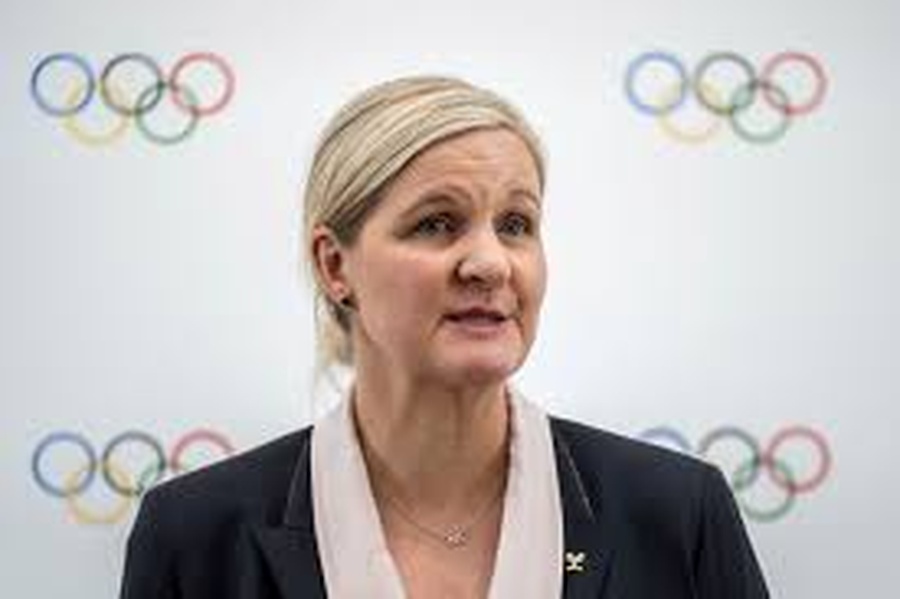
Speaking about the policy, IOC President Kirsty Coventry said: “As a former athlete, I passionately believe in the rights of all Olympians to take part in fair competition. The policy that we have announced is based on science and has been led by medical experts.
“At the Olympic Games, even the smallest margins can be the difference between victory and defeat. So, it is absolutely clear that it would not be fair for biological males to compete in the female category. In addition, in some sports it would simply not be safe.”
She continued: “Every athlete must be treated with dignity and respect, and athletes will need to be screened only once in their lifetime. There must be clear education around the process and counselling available, alongside expert medical advice.”